
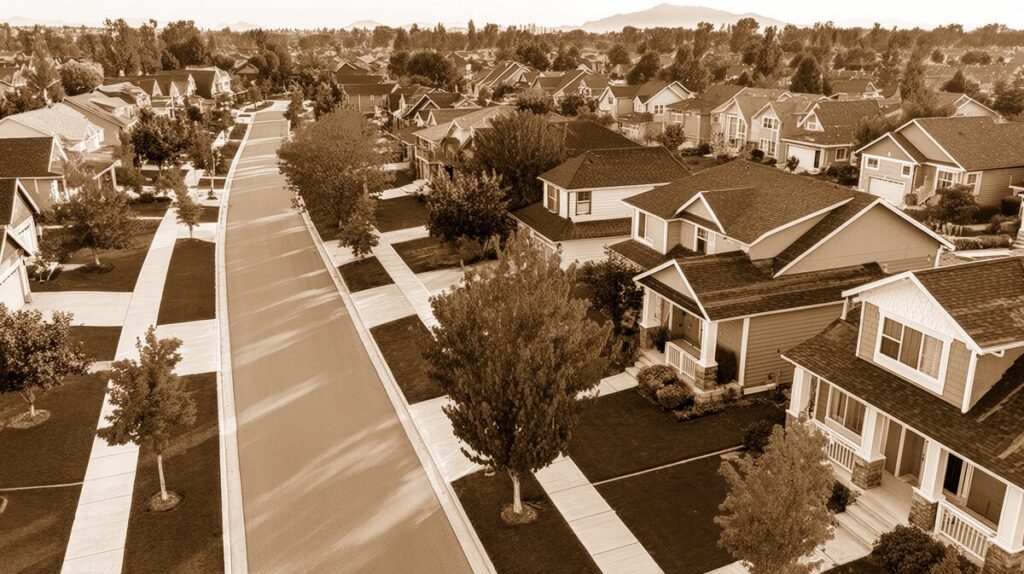
Augusta, Georgia is a mosaic of neighborhoods, each with its own soul and story. Among them, South Turpin Hill stands out as a place shaped by history, hard work, and community spirit. Tucked between the busy arteries of Milledgeville Road and 15th Street, this humble yet vibrant area is much more than a collection of streets—it’s a living testament to Augusta’s past and hopes for its future. As a longtime resident, I’m proud to share the journey of South Turpin Hill, where roots run deep and history is never forgotten.
Origins of South Turpin Hill
South Turpin Hill traces its roots back to Augusta’s early growth in the late 19th and early 20th centuries. The area was originally part of a vast network of farmland stretching beyond the city limits. As Augusta’s factories and mills along the Savannah River brought workers flocking to the city, residential demand grew. Land was subdivided, roads were paved, and working families built cottages and bungalows that still grace the area today.
The Turpin family, whose name lives on, were early landowners and respected members of Augusta society. Though detailed records can be sparse, historical accounts suggest that the Turpin estate once covered a significant portion of the neighborhood, influencing not only the lay of the land but also the culture and spirit that would define the community.
How South Turpin Hill Got Its Name
It’s said that the Turpin family was known for their generosity and community involvement. Their property encompassed much of the small hill rising south of the city—hence, the area came to be coined “Turpin Hill.” As Augusta expanded, the moniker stuck, distinguishing this stretch south of Wrightsboro Road from the surrounding districts.
Local lore has it that neighbors would gather for picnics and church socials on the Turpin’s rolling hillside. Over the decades, “Turpin Hill” became synonymous with togetherness, resilience, and neighborhood pride—a tradition that still lives on.
Key Historical Milestones
South Turpin Hill has witnessed several defining milestones that shaped both the neighborhood and greater Augusta:
- Development of “The Hill”: As Augusta’s trolley lines pushed outward in the early 1900s, access to South Turpin Hill improved, sparking a building boom along streets like Kennedy Drive and Holley Street.
- Civil Rights Era: During the 1950s and 60s, Turpin Hill’s churches and community centers became gathering places for organizing, advocacy, and mutual support. The neighborhood played a quiet but crucial role in Augusta’s march towards equality.
- Post-War Changes: The closing of textile mills and shifts in the local economy in the 1970s brought challenges but also fostered creativity and grit. Residents banded together to preserve beloved homes and institutions, even as the world changed around them.
Notable Landmarks and Buildings
While much of South Turpin Hill feels like a residential enclave, there are several places that mark its unique heritage:
- Tabernacle Baptist Church Mission Center (located on Holley Street): More than a spiritual home, this institution has long served as a beacon for education, outreach, and civil rights discussions.
- Kennedy Park: Though modest in size, this green space sits near the heart of the neighborhood and has hosted countless games of stickball, community cookouts, and summer gatherings. Trees shading its walking paths have witnessed generations of children growing up.
- Historic Cottages and Shotgun Houses: Along Old Savannah Road and its side streets, you’ll find rows of early-20th-century homes—each with its own story. Their tin roofs, wide porches, and colorful facades offer a glimpse into the working-class pride that built this community.
Evolution Over the Decades
Like Augusta itself, South Turpin Hill has seen its share of ups and downs. From its origins as farmland to a thriving hub for working families, the neighborhood has weathered waves of change with determination and hope.
- 1950s–1970s: Families moved in from rural Georgia and neighboring states, drawn by Augusta’s manufacturing jobs. Churches, mom-and-pop shops, and local diners flourished.
- 1980s–2000s: Economic shifts brought challenges, including job losses and school consolidations. Despite this, neighbors looked after each other, organized block-watch programs, and launched community improvement efforts.
- 2010s–Present: Recent years have seen renewed interest in South Turpin Hill. Young families, retired military, and longtime residents are working together to restore homes and revitalize parks. Organizations like the Turpin Hill Neighborhood Association have taken the lead in everything from beautification projects to back-to-school drives.
What Makes South Turpin Hill Special?
Ask anyone who grew up here, and they’ll tell you it’s all about the people. It’s about porch conversations at dusk, casseroles shared in hard times, and the feeling that, no matter how the world outside may change, neighbors will always look out for one another.
Streets like Watkins Street and Holley Street may not appear on tourist brochures, but for us, they’re laden with memory and meaning. Kennedy Park’s playground, the schools within walking distance, and the enduring presence of local churches are the heartbeat of daily life.
South Turpin Hill reminds us that Augusta’s story is, above all, a story of neighborhoods—each weaving its own chapter into the city’s long history. Here, heritage isn’t just in the bricks and mortar, but in the friendships, traditions, and quiet acts of resilience that define the place.
Conclusion
South Turpin Hill may be a small dot on Augusta’s map, but its roots go deep and its spirit shines bright. Walk its streets, talk to its residents, and you’ll understand why this neighborhood endures—weathering change, treasuring its past, and always looking with hope to the future. Like so many places in Augusta, it’s the people, the stories, and the quiet pride in community that truly make South Turpin Hill special.